Michigan Humane Communities

  • Home
  • Our Vision
  • Goals and Progress
  • Leadership Circle
  • Humane Communities
    • Healthy Communities
    • Safe Neighborhoods
    • Thriving Workforce and Economy
    • References

Michigan Humane Communities

  • Home
  • Our Vision
  • Goals and Progress
  • Leadership Circle
  • Humane Communities
    • Healthy Communities
    • Safe Neighborhoods
    • Thriving Workforce and Economy
    • References
  • Home
  • Our Vision
  • Goals and Progress
  • Leadership Circle
  • Humane Communities
    • Healthy Communities
    • Safe Neighborhoods
    • Thriving Workforce and Economy
    • References

Michigan Humane Communities

Michigan Humane Communities

  • Home
  • Our Vision
  • Goals and Progress
  • Leadership Circle
  • Humane Communities
    • Healthy Communities
    • Safe Neighborhoods
    • Thriving Workforce and Economy
    • References
animal welfare Tag
Home Posts Tagged "animal welfare"
Advocacy

Courtroom animal advocate program laws give a voice to the voiceless

In 2006, quarterback Michael Vick was the highest-paid player in the NFL. In 2007, he was indicted in federal and state court for dog fighting. This extremely high-profile case raised awareness of the cruelty and abuse inherent in animal fighting. The public urged the judge and assistant U.S. attorney to help the dogs. While the case was typical of organized dog fighting prosecutions in many respects, there were also some unique factors involved. Most notably, in the federal case, the U.S. District Court appointed a guardian/special master to advise the court regarding the appropriate disposition of 48 dogs seized from the dog fighting operation.

The court appointed Rebecca Huss, Professor of Law at Valparaiso University School of Law, as the guardian/special master. According to the Animal Legal Defense Fund (ALDF), a national nonprofit that uses the legal system to advance animals’ interests, the Vick case was the first time that the court appointed an attorney to advocate for the animal victims in a dog fighting case. Based on her evaluation and reported recommendations, the dogs were ordered placed with eight different organizations. They began their new lives, and their rehabilitation inspired lasting policy improvements.

One such policy improvement was the amendment of some states’ laws to require evaluation of fighting animals rather than automatic euthanasia. Michigan Humane drafted and advocated for such a change to Michigan’s animal fighting statute, which passed in 2018. Another positive change brought about by this case was the introduction of Courtroom Animal Advocate Program (CAAP) laws.

A CAAP law allows a judge presiding over a criminal animal abuse case to appoint a trained volunteer lawyer or supervised law student to advocate for the animal victim or victims. The ALDF describes the volunteer advocate’s duties to include “appear[ing] in court and assist[ing] the judge by drafting briefs, conducting research, gathering information from veterinarians, animal control officers, and law enforcement officials, and making recommendations on behalf of the animal victim’s interests.” The volunteer attorney or law student is independent and objective, working for neither the prosecution nor the defense, but instead serving as a voice for the animal victim or victims and representing the interests of justice.

CAAP volunteers provide invaluable assistance to the court in reaching fair and appropriate outcomes in criminal animal abuse cases. Judges, prosecutors, and defense attorneys are not necessarily familiar with the special considerations involved when animals are both victims and evidence of a crime. CAAP laws ensure that someone in the case is focused on the animals’ best interests.

Connecticut passed the first CAAP law in the country in 2016. The law was named Desmond’s Law after a dog who was adopted from a shelter and abused and ultimately strangled to death by his adopter. The defendant was sentenced to a rehabilitation program designed for nonviolent offenders, and his record was expunged upon completing the program. Advocates appalled by this outcome fought for enactment of Desmond’s Law to ensure that future animal cruelty victims would have a voice in the courtroom.

Maine was the second state to enact a CAAP law. A CAAP bill was introduced earlier this year in New Jersey and has passed the New Jersey Assembly Judiciary Committee. Although past efforts to introduce a CAAP bill in Michigan were not successful, there is a chance that the bill will be reintroduced.

Jessica Rubin, University of Connecticut Professor of Law and Director of the UConn Animal Law Clinic, serves as an advocate and supervises law students appointed as advocates under Desmond’s Law. Reflecting on the first four years of her experience after the passage of Desmond’s Law, she said, “Desmond’s Law and similar advocacy programs enable a court to move away from an incarceration-release binary, and focus instead on the welfare of animal victims, restitution for service providers, and prevention of future harm.”

As of 2014, all 50 states and the District of Columbia have at least one felony statute prohibiting animal cruelty. In 2016, the FBI began separately collecting information on animal abuse crimes, and its National Incident Based Reporting System categorizes animal abuse as a crime against society. There is a well-researched connection, referred to as The Link,® between violence against animals and violence against humans. CAAP programs represent the next step based on the growing understanding of the seriousness of animal abuse and provide the legal system with a no-cost resource to thoroughly address animal cruelty cases to the benefit of both animals and people.

We are going to keep working to improve animal welfare and create a more humane community, while serving as a voice for the animals through advocacy. Together, we can continue to make a difference in animals’ lives. If you know someone who you think would be interested in this information, please encourage them to sign up for our Legislative Action Network.

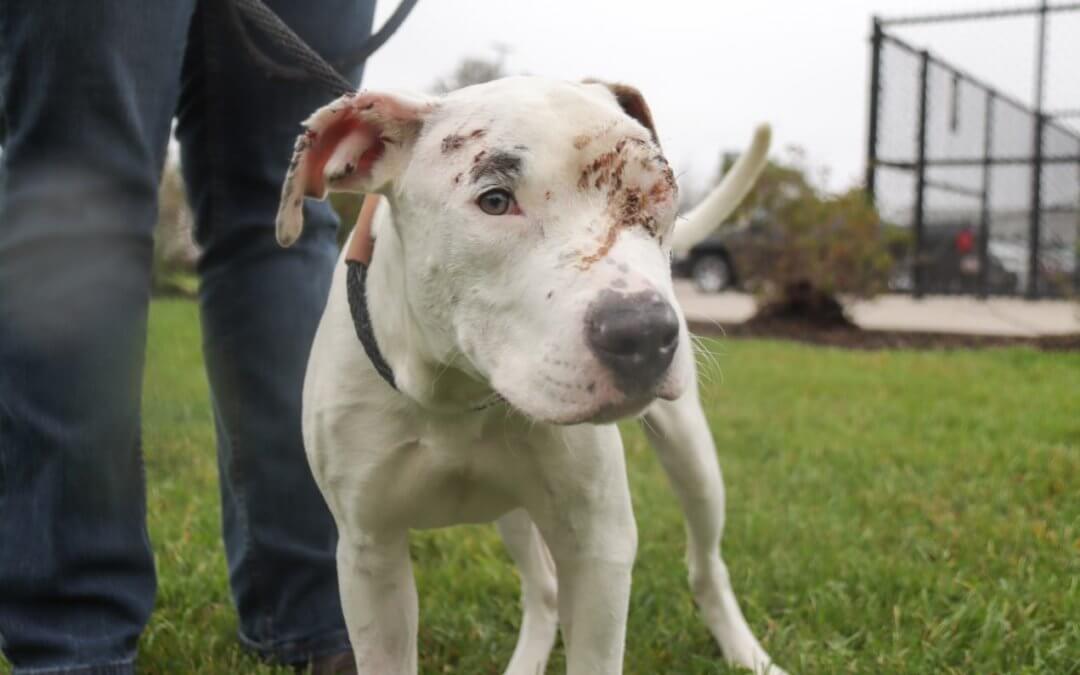
Photo credit: Michigan Humane

Read More
Ann Griffin May 25, 2022 0
Advocacy

Importance of local laws to animal welfare

Much of Michigan Humane’s legislative advocacy work is focused on state legislation. But there are some issues that are not likely to gain statewide support, at least not initially. There are many animal-related concerns that are seen as matters more appropriate for local regulation.

Local ordinances, which are laws passed by a city council or county board of commissioners, can be an effective way to improve animal welfare in the city or county where they are passed. They can be tailored to a particular community’s needs, often with direct input from those who will be responsible for enforcing them. Such local laws may also inspire other communities to enact similar animal welfare protections, and if a number of municipalities enact an animal welfare ordinance, that may provide support for a future statewide law.

One example of a type of progressive animal welfare ordinance being passed in Michigan cities is a retail pet sale ban. These ordinances prohibit pet stores in the city in which they are passed from selling dogs and cats (and sometimes other species as well, such as rabbits, ferrets, reptiles, and birds). A handful of Michigan cities have passed such ordinances, including Eastpointe, New Baltimore, Fraser, Royal Oak and Harbor Springs. The purpose of these ordinances is to ensure that the community’s businesses are not an outlet for “puppy mills,” large-scale commercial breeders who put profits ahead of animal welfare, are not well regulated, and sell animals through pet stores.

There are generally exceptions in the ordinances for pet shops facilitating animal adoptions from shelters or rescues. An example of that is Michigan Humane’s offsite adoption partnerships.

Michigan Humane believes that local units of government should have the ability to respond to citizens’ concerns and decide whether they will allow pet retailers in their jurisdictions to source puppies, kittens, and other animals from commercial breeding operations. Cities that have already enacted ordinances preventing the retail sale of animals in pet shops have done so for the sake of the animals and also their residents, as these animals have made people sick and often come with very serious issues that require their new families to spend hundreds or even thousands of dollars for veterinary care and/or behavioral rehabilitation, and to face the ultimate heartbreak if their efforts are unsuccessful.   

When state legislation was introduced in the 2017-18 legislative session to prohibit local communities from regulating the retail sale of dogs, Michigan Humane and other animal welfare groups fought to protect the rights of local units of government to decide whether commercially bred puppies could be sold in pet stores in their communities. Gov. Snyder vetoed that legislation because he agreed that regulating pet sales is a matter for local control, and as a result, local units of government can pass retail pet sale bans.

St. Clair Shores became the most recent Michigan city to ban the retail sale of dogs, cats, rabbits and ferrets when its city council passed a retail pet sale ban back in February. Michigan Humane testified in support of the ordinance, which passed with a unanimous vote.

Michigan Humane supports the enactment of strong legislation that, if effectively enforced, can have a long-term, positive impact on animal welfare. We encourage and support the passage of local animal welfare ordinances through a variety of means, including resources on the advocacy page on our website.

We are going to keep working to improve animal welfare and create a more humane community while serving as a voice for the animals through advocacy. Together, we can continue to make a difference in animals’ lives. If you know someone who you think would be interested in this information, please encourage them to sign up for our Legislative Action Network.

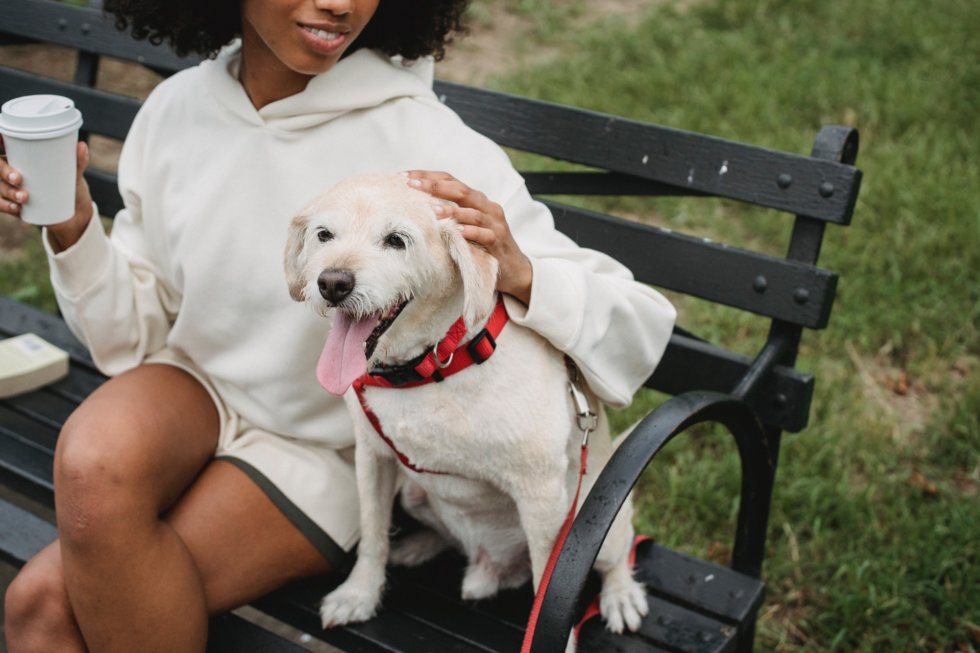
Photo credit: Samson Katt, Pexels

Read More
Ann Griffin March 31, 2022 0

Recent Posts

  • Courtroom animal advocate program laws give a voice to the voiceless
  • The link between animal abuse and human violence and its impact on animal protection laws
  • Importance of local laws to animal welfare
  • Understanding the rules of service animals and public transportation
  • Service dogs and public access under the Americans with Disabilities Act

Categories

  • Advocacy

Copyright © 2019 Thegov by WebGeniusLab. All Rights Reserved